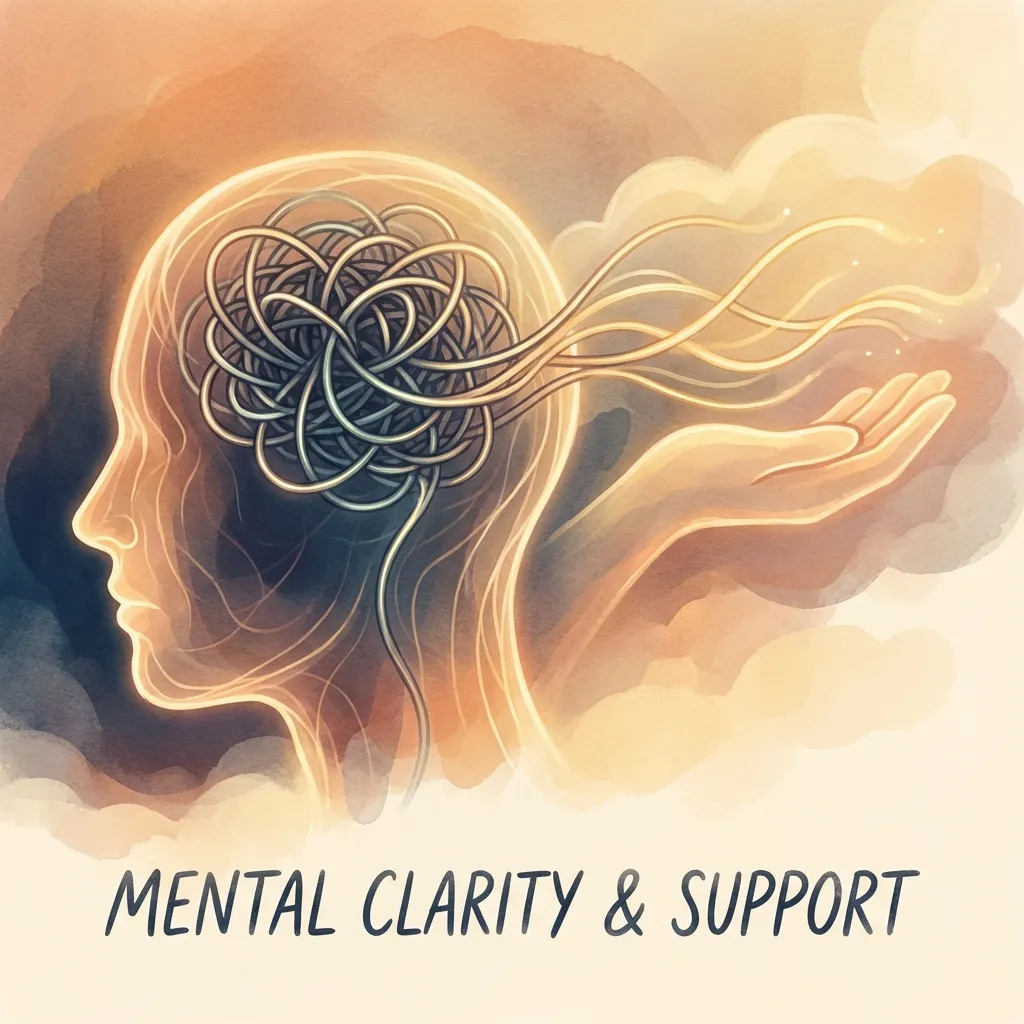
Key Takeaway: Migraines and mental health share several identical neurotransmitter pathways, including serotonin. This bidirectional relationship means that untreated anxiety or depression can worsen your migraines, and vice-versa. Using a headache tracking app to log your mood alongside your attacks is the best way to determine your "mental health threshold" for neurological symptoms.
For many migraineurs, the pain isn't just physical. The constant threat of an attack can lead to "anticipatory anxiety," and the isolation of chronic illness can spark depressive episodes. Understanding the link between your mental and neurological health is essential for holistic recovery.
1. The Science of the "Migraine-Mood Link"
Serotonin is the key player here. It's the chemical responsible for regulating your mood, your sleep, and-critically-your brain's pain pathways. When your serotonin levels drop, your migraine threshold lowers, making you much more susceptible to triggers.
- Anxiety: High stress levels keep your body in "fight or flight" mode, which as we discussed in our guide on how stress leads to migraines, is a major trigger.
- Depression: Chronic pain can lead to changes in the brain that mimic clinical depression. This makes it harder to stay consistent with your preventive routines and can lengthen the recovery time of an attack.
2. Managing the "Anticipatory Anxiety"
The fear of "When will the next one hit?" is often as disabling as the pain itself.
- Control the Data: Knowing your triggers and having a clear rescue plan can significantly lower your anxiety.
- Identify Your Patterns: Use a migraine diary to prove to your brain that you are in control. If you know that you have an 85% success rate for stopping an attack with your current medication, the fear of the "next one" becomes much less overwhelming.
3. Tracking Mood with Migraine Trail
How do your mood swings correlate with your migraines? Does a week of high anxiety always lead to a cluster of attacks?
The Migraine Trail for daily use makes mood logging effortless. With Migraine Trail, you can simply say, "Feeling very anxious today," via voice logging.
Our migraine diary of effort will soon show you the data: "You tend to have a migraine 24 hours after your 'Anxiety' score hits an 8." This insight allows you to prioritize mental health care-like meditation or therapy-before the neurological crisis begins.
Frequently Asked Questions
Q: Are migraine tracker apps accurate for tracking mental health?
A: Yes. By correlating your recorded mood entries with your migraine history, a migraine journal app can identify the deep-seated psychological triggers of your neurological health.
Q: Can apps help prevent migraines caused by anxiety?
A: Absolutely. They act as a behavioral guide, showing you exactly where your stress levels are drifting and giving you the data to prioritize relaxation before a migraine begins.
Q: How do I track my migraines effectively?
A: Consistency is key. Log every attack, every mood entry, and every dose of medication. Over several months, the patterns will become clear.
Keep Reading
- Learn about how stress leads to migraines.
- Understand daily habits that can prevent migraines.
- Discover natural remedies for migraines.
- See how to track migraines effectively with a mobile app.