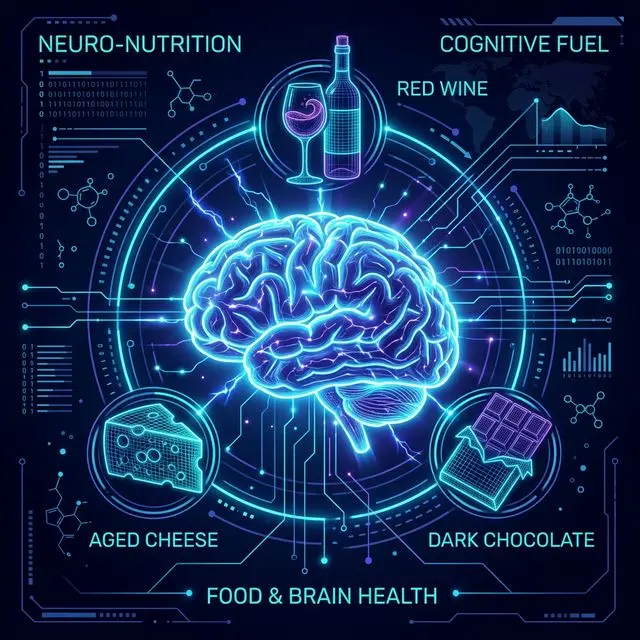
Key Takeaway: Certain foods trigger migraines not through allergies, but through specific chemical compounds like tyramine, nitrates, histamine, and aspartame that affect blood vessels in the brain. The most common dietary triggers are aged cheeses, cured meats, red wine, chocolate, and artificial sweeteners. An elimination diet with careful tracking is the most reliable way to identify which foods affect you personally.
Common foods that cause migraines include aged cheeses, cured meats, red wine, and artificial sweeteners like aspartame. Using a best migraine tracker app like Migraine Trail to log your meals can help you identify these hidden "trigger chemicals" and replace them with neuro-protective alternatives.
Why Do Certain Foods Trigger Migraines?
What you put on your plate directly impacts your brain. For individuals with chronic migraines, the neurological system is highly sensitive to specific chemical compounds found in everyday foods.
Understanding dietary migraine triggers, and knowing what to substitute them with, is one of the most proactive steps you can take toward migraine relief. Using a migraine diary app to log your meals makes it dramatically easier to identify your triggers and connect the dots. A migraine log of effort is the best tool for this.
Which Foods Are Most Likely to Cause Migraines?
Foods don't trigger migraines because you are "allergic" to them. They trigger attacks because they contain specific compounds (like tyramine, nitrates, or MSG) that cause blood vessels in the brain to constrict and then rapidly dilate.
Here are the most common culprits and what to eat instead:
1. Aged Cheeses
The Trigger: Tyramine. This compound forms as proteins in foods break down during the aging process. The longer a high-protein food ages, the greater the tyramine content. Avoid: Blue cheese, Brie, Cheddar, Swiss, Feta, Parmesan. What to Eat Instead: Fresh cheeses have little to no tyramine. Swap aged cheeses for fresh mozzarella, ricotta, cream cheese, or cottage cheese.
2. Cured and Processed Meats
The Trigger: Nitrates and Nitrites. These preservatives are used to maintain color and flavor in processed meats. They are potent vasodilators, meaning they expand blood vessels in the brain rapidly. Avoid: Hot dogs, pepperoni, salami, bacon, deli meats. What to Eat Instead: Fresh, unprocessed meats. Look for local cuts of chicken, turkey, beef, or fish that have not been preserved.
3. Alcohol (Specifically Red Wine)
The Trigger: Tyramine, sulfites, and histamine. Red wine is a triple threat. Furthermore, alcohol causes systemic dehydration, compounding the risk. Avoid: Red wine, dark beers, champagne, and heavily colored liquors. What to Eat Instead: If you choose to drink, clear liquors (like high-quality vodka) mixed with soda water are generally the safest options. Always match every alcoholic drink with an 8oz glass of water.
4. Chocolate
The Trigger: Beta-phenylethylamine and caffeine. Up to 22% of headache sufferers identify chocolate as a direct trigger. Avoid: Dark chocolate, milk chocolate, and cocoa powder. What to Eat Instead: White chocolate typically does not contain the offending cocoa compounds. Alternatively, satisfy your sweet tooth with carob-based treats or fresh fruit.
5. Artificial Sweeteners (Aspartame)
The Trigger: Aspartame. Found in "diet" sodas and low-calorie snacks, this chemical is highly neuro-excitatory for sensitize brains. Avoid: Diet sodas, sugar-free gum, "zero-calorie" sports drinks. What to Eat Instead: Natural sweeteners like Stevia, Monk Fruit, or small amounts of raw honey and maple syrup.
How Does an Elimination Diet Help Identify Migraine Triggers?
Because every brain is unique, what triggers a migraine in one person might be entirely safe for another. The only way to know for sure is through an elimination diet.
- Remove: Eliminate all common dietary triggers for a mandatory 4-week period.
- Reintroduce: Slowly introduce one trigger back into your diet every 4 days.
- Log the Results: Use the Migraine Trail app to log any symptoms that occur within 24 hours of reintroduction using our custom food tags. Voice logging makes this effortless, even during an active attack.
By eating strategically, you can starve your migraines of the fuel they need to attack. Effective migraine management means understanding how food, sleep, and weather interact to lower your threshold. Diet is just one piece of the puzzle.
Frequently Asked Questions
Q: How quickly after eating a trigger food can a migraine start?
Dietary migraine triggers typically cause an attack within 12 to 24 hours of consumption, though some people experience symptoms within as little as 20 minutes. This delay is one reason food triggers are difficult to identify without systematic tracking.
Q: Is caffeine a migraine trigger or a treatment?
Caffeine can function as both. In small, consistent doses, caffeine can help abort a migraine by constricting dilated blood vessels. However, excessive daily intake or sudden caffeine withdrawal are well-established migraine triggers. Most neurologists recommend limiting caffeine to under 200mg per day at a consistent time.
Q: Does MSG actually cause migraines?
MSG (monosodium glutamate) has long been reported as a migraine trigger, though clinical research has produced mixed results. Some individuals are clearly sensitive to it, while others tolerate it well. If you suspect MSG is a trigger, an elimination diet is the best way to confirm.
Q: Can changing your diet cure migraines entirely?
Diet modification alone is unlikely to eliminate migraines completely, since most people have multiple trigger categories including stress, sleep, weather, and hormones. However, removing confirmed dietary triggers can meaningfully reduce attack frequency and is considered an important part of a comprehensive migraine management plan.
Keep Reading
- See the full list of top 10 migraine triggers and how to avoid them.
- Learn how sleep patterns affect migraines.
- Read how to analyze migraine patterns using your app data.
- Compare the best migraine tracker apps of 2026.