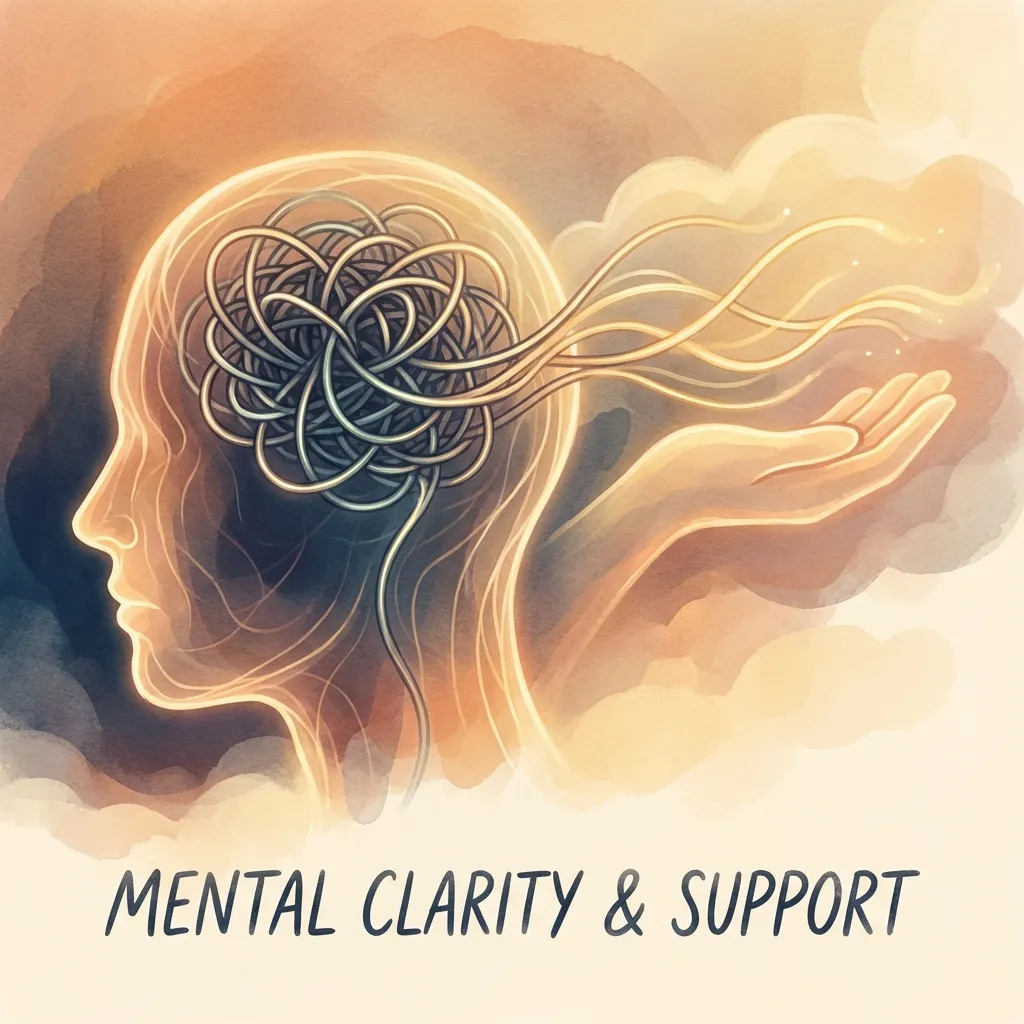
Pain is exhausting. But explaining your pain to a world that doesn't understand it? That is soul-crushing.
Migraine is the second leading cause of disability worldwide, yet it remains one of the most stigmatized and underfunded diseases. The "invisible" nature of the condition, where you can look perfectly healthy one hour and be bedridden the next, creates a unique psychological burden.
The Cycle of Anticipatory Anxiety
It’s not just the attack itself; it’s the fear of the next one.
- "Can I commit to this wedding?"
- "Will I lose my job if I call in sick again?"
- "Do my friends think I'm flaky?"
This Anticipatory Anxiety keeps the nervous system in a state of high alert (fight or flight), which ironically can increase stress and trigger more attacks. It creates a vicious cycle of pain and fear.
Validating the Trauma
Chronic pain is a form of trauma. It takes a profound emotional toll, erodes self-efficacy, and isolates you from your community. Recognizing this link is critical. The connection between migraine and depression is well-documented, and treating migraine requires more than a prescription pad; it requires a whole-person approach that includes:
- Cognitive Behavioral Therapy (CBT): Proven to help manage the distress of chronic pain.
- Support Groups: Knowing you aren't crazy and you aren't alone.
- Education: Arming yourself with the biology of your disease to combat the internal shame.
- Tracking: Using one of the best apps to track migraine symptoms can help you identify patterns and regain a sense of control.
Breaking the Stigma
We must stop apologizing for our biology. Migraine is a complex neurological disease, not a personality flaw. By speaking openly about the mental toll, we strip the stigma of its power. You are not "weak" for having migraines. You are strong for enduring them.
Regain a sense of control over your condition with the Migraine Trail, which is free to use that helps you track migraine triggers, recognize patterns, and take back the power from the unpredictability of chronic pain.